

Product Information
Application of Resonant MLCCs in High-Power Wireless Chargers
When
consumer products demand greater portability and aesthetic appeal, wireless
charging technology has become increasingly popular in smartphones and other
mobile devices. Wireless charging eliminates the hassle of cables, allowing
users to simply place their devices on a charger. Different from early wireless
chargers, which had low power output and required several hours to fully charge
a phone, the current technologies have pushed mainstream wireless charger power
output to 50W and beyond.
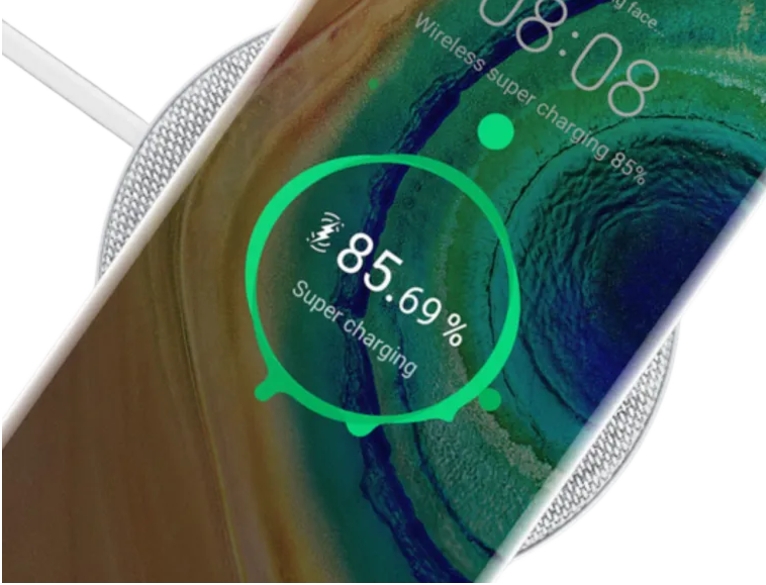
Wireless Power Transmission Methods
Wireless chargers enable power transfer through three primary methods: Electromagnetic Induction (Inductive), Magnetic Resonance (Resonant), and Radio Frequency Microwaves (RF). The core of this technology involves inducing changes in the circuit:
1. On receivers, capacitors are added or removed from the LC tank circuit.
2. These changes alter the equivalent impedance of the transmitter's LC tank.
3. This impedance variation affects the current in the transmitter's LC tank and the voltage at the coil-capacitor connection, forming a resonant circuit.
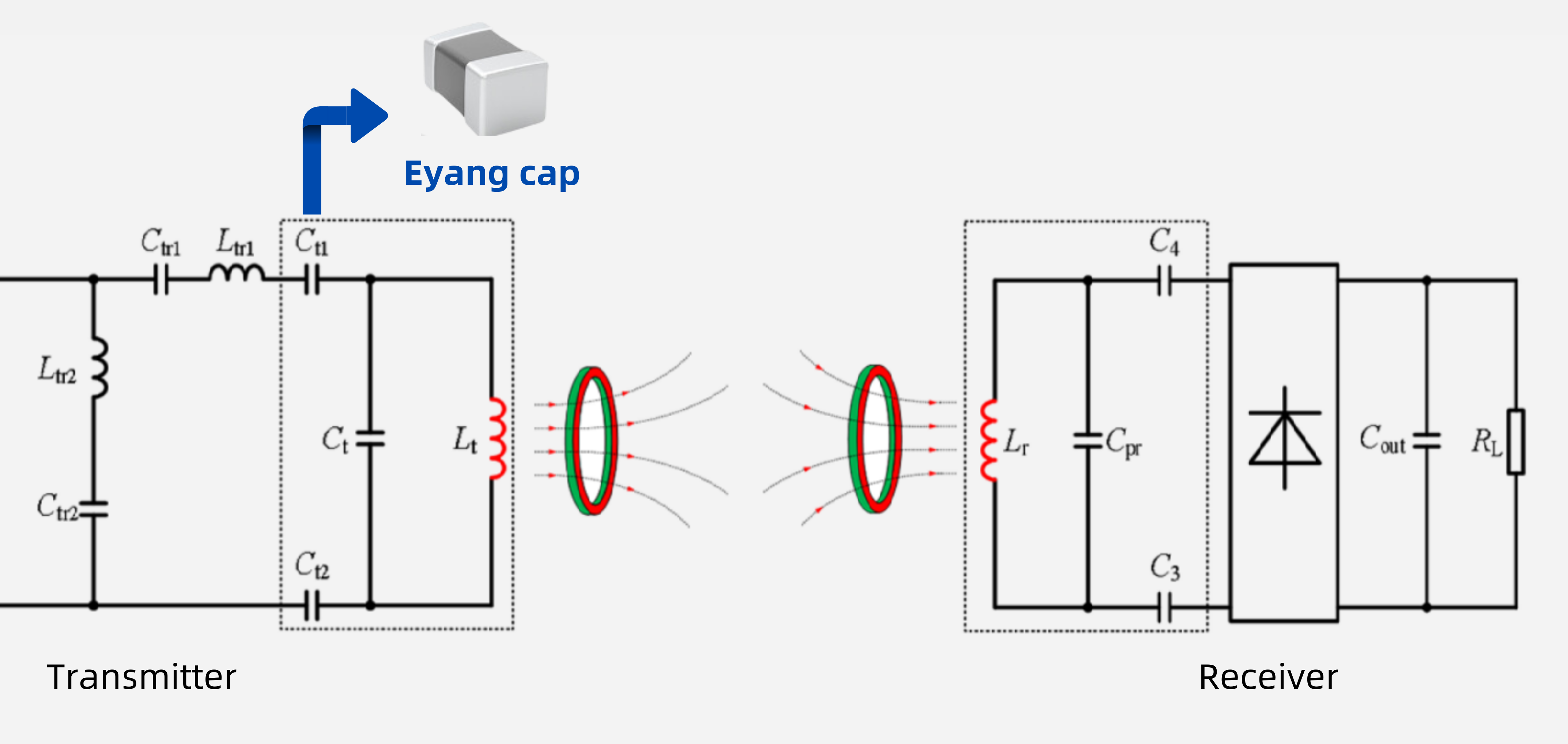
Wireless Charging Circuit
In this setup, capacitors play a crucial role in filtering and resonance. To meet the demands of high-power wireless charging, these components must offer higher voltage resistance, lower loss, higher stability, and compact size. Among the options, MLCCs outperform electrolytic capacitors or film capacitors by optimizing charging efficiency, improving system stability, and saving space.
Key Developments in Wireless Charging Technology
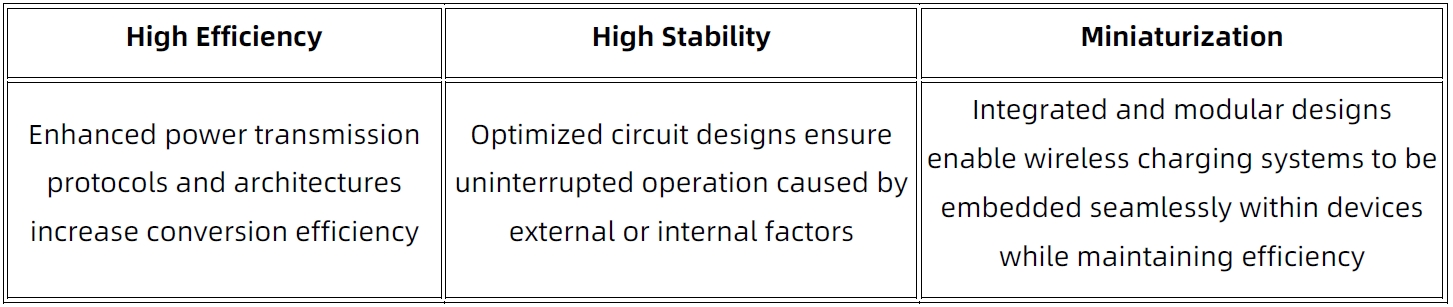
To support these advancements, MLCCs must meet the following requirements:

EYANG’s Contribution
As a technical leader in the global MLCC market, EYANG has been investing in R&D, and providing new products to resolve the technical challenges in wireless charging applications. For example, our MLCC product - C1206C0G104J101NPL (1206-C0G-100nF-±5%-100V) demonstrates exceptional performance in wireless charging systems.
High-Frequency Characteristics and Temperature Rise Curves
.png)
.png)
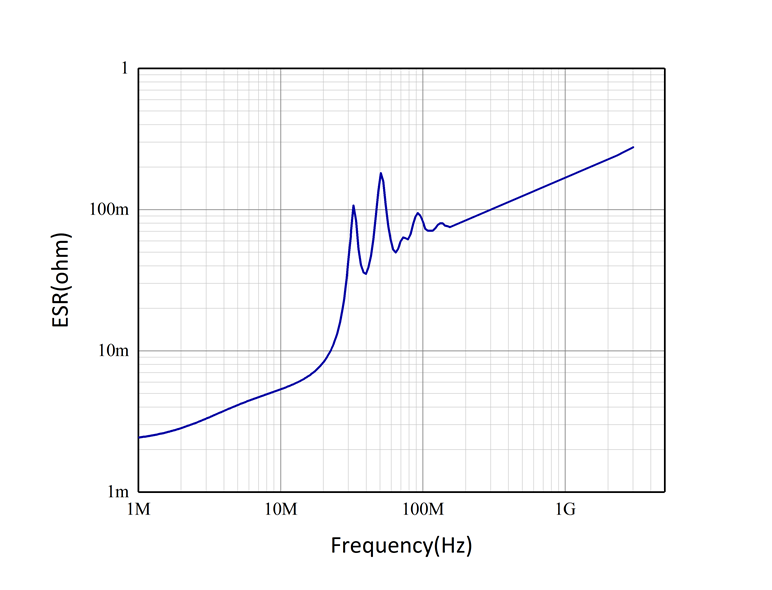
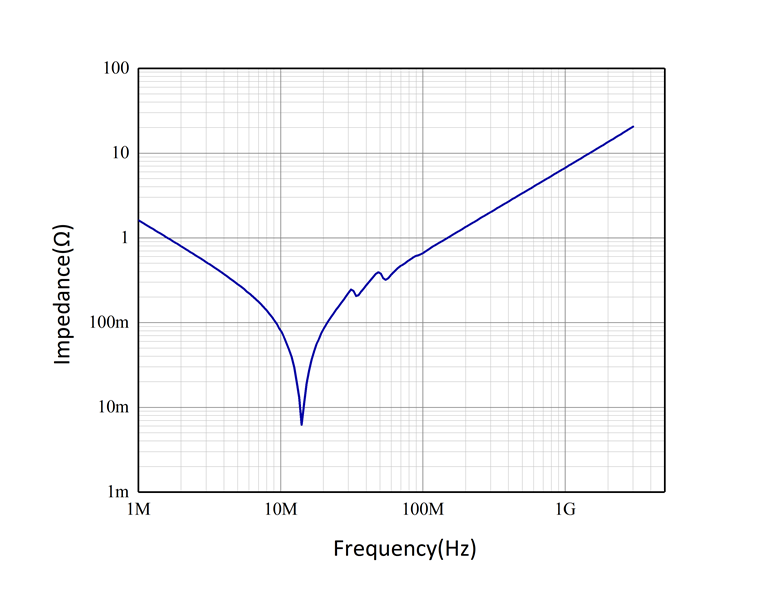
High-Frequency Curves
The product exhibits an excellent quality factor (Q), low equivalent series resistance (ESR), and a well-defined self-resonant frequency. These features enhance power conversion efficiency and the system's operational lifespan.
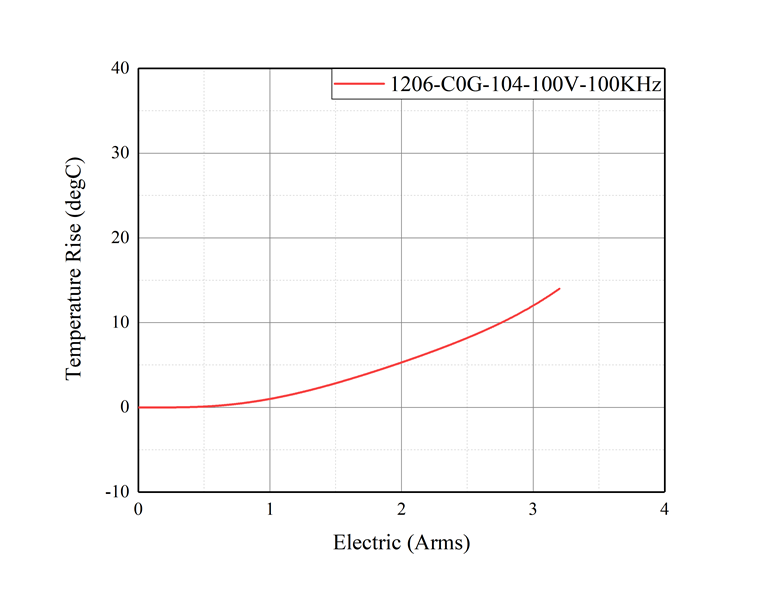
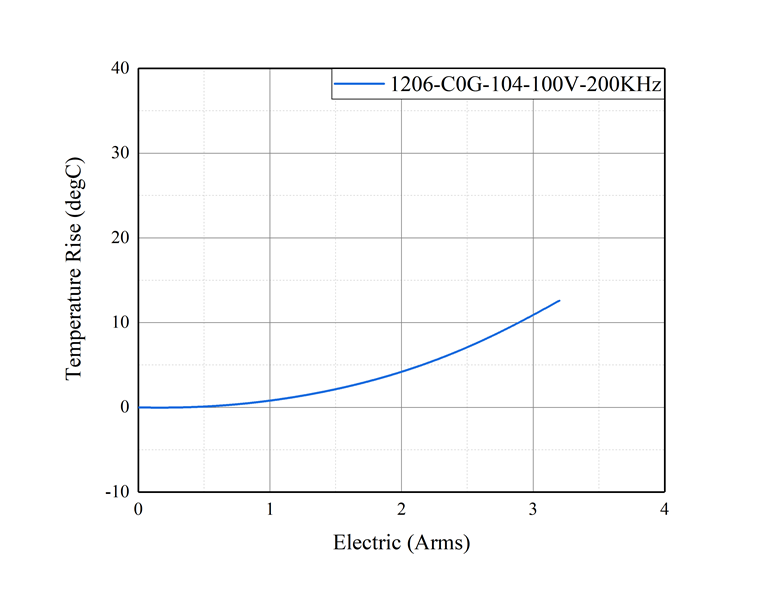
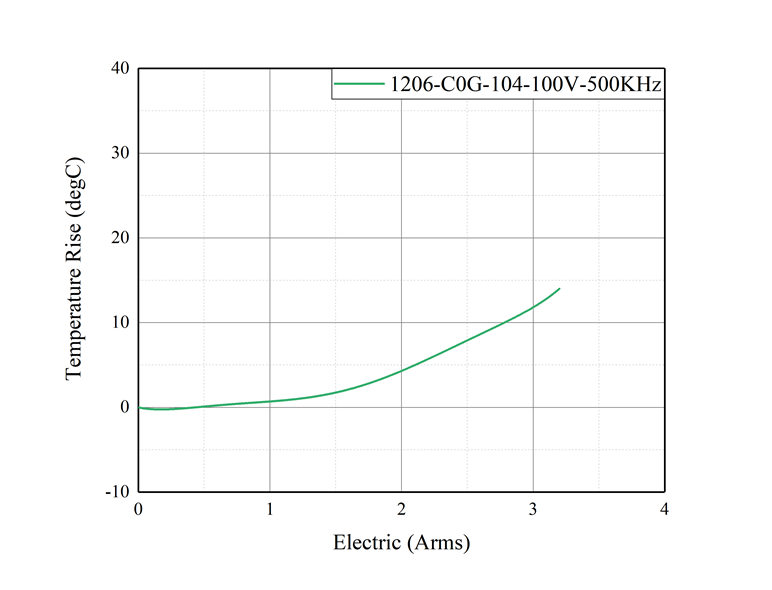
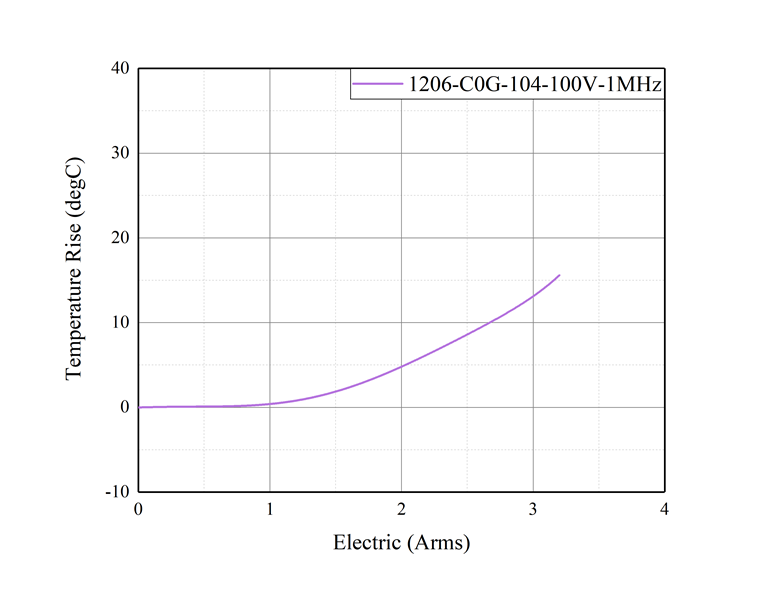
Temperature Rise Curves
Across frequencies from 100kHz to 1MHz, the component’s temperature rise remains within acceptable limits (a margin of 20°C). This demonstrates its suitability for a wide range of operating frequencies. Ripple current, a critical parameter, directly affects output quality and load performance in wireless charging systems. Our C1206C0G104J101NPL MLCC product performs exceptionally well in managing ripple current, ensuring stable operation and minimal impact on connected devices.
EYANG’s C1206C0G104J101NPL (1206-C0G-100nF-±5%-100V) MLCC stands out as an ideal solution for high-power wireless chargers. Its superior performance in resonance and impedance matching significantly enhances system efficiency and stability, making it an excellent choice for advancing wireless charging applications.